Tag: oil heater
 For car enthusiasts and owners of classic cars, modern classics or convertibles, there are basically only two seasons – but always plenty to do. The best time is of course spring and summer, when driving fun is at its best. When the sun is shining and temperatures are pleasantly warm, this is the time to go out for a drive and attend meetings. In the wet and cold autumn/winter season when bad weather and low temperatures prevail, this is the time for your much-loved pride and joy in the garage to receive special care and attention. This is the ideal time to carry out any necessary repairs or maintenance work on the vehicle.
The IDS 30 Oil Heater: impresses with fast, easy heating and an attractive value for money – available again
Posted on by Jochem Weingartz
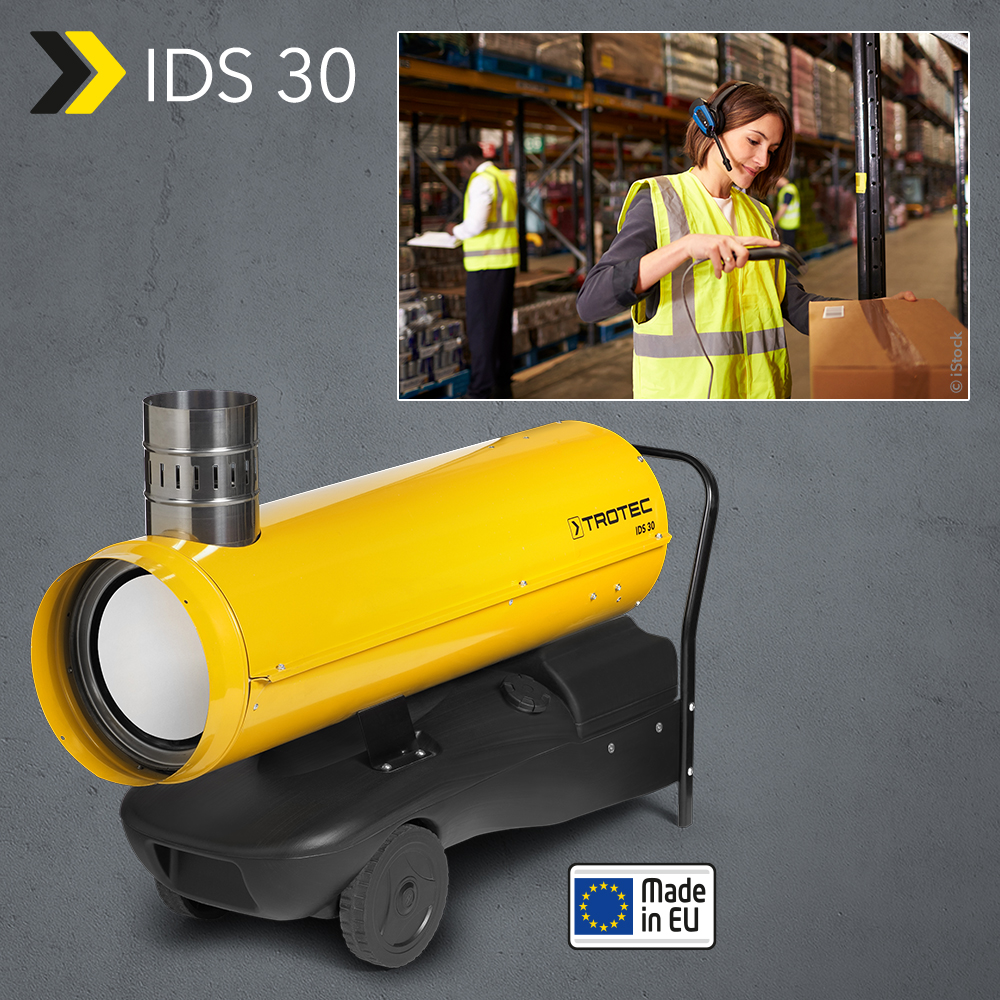 Available again just in time before the thermometer turns to its year-round low in January: The IDS 30 Oil Heater Fan is back, shining as brightly as ever and still stand by the impressive arguments for an economical and effective heating application. In addition, high reliability when heating cold workplaces in the winter, minimal maintenance requirements and outstanding value for money speak for this proven oil heater solution. Use for easy heating of storage rooms, workshops, construction sites, greenhouses or barns …
The ‘Oil heater maintenance’ guide from Trotec – what you should consider before re-commissioning an oil heater
Posted on by Jochem Weingartz
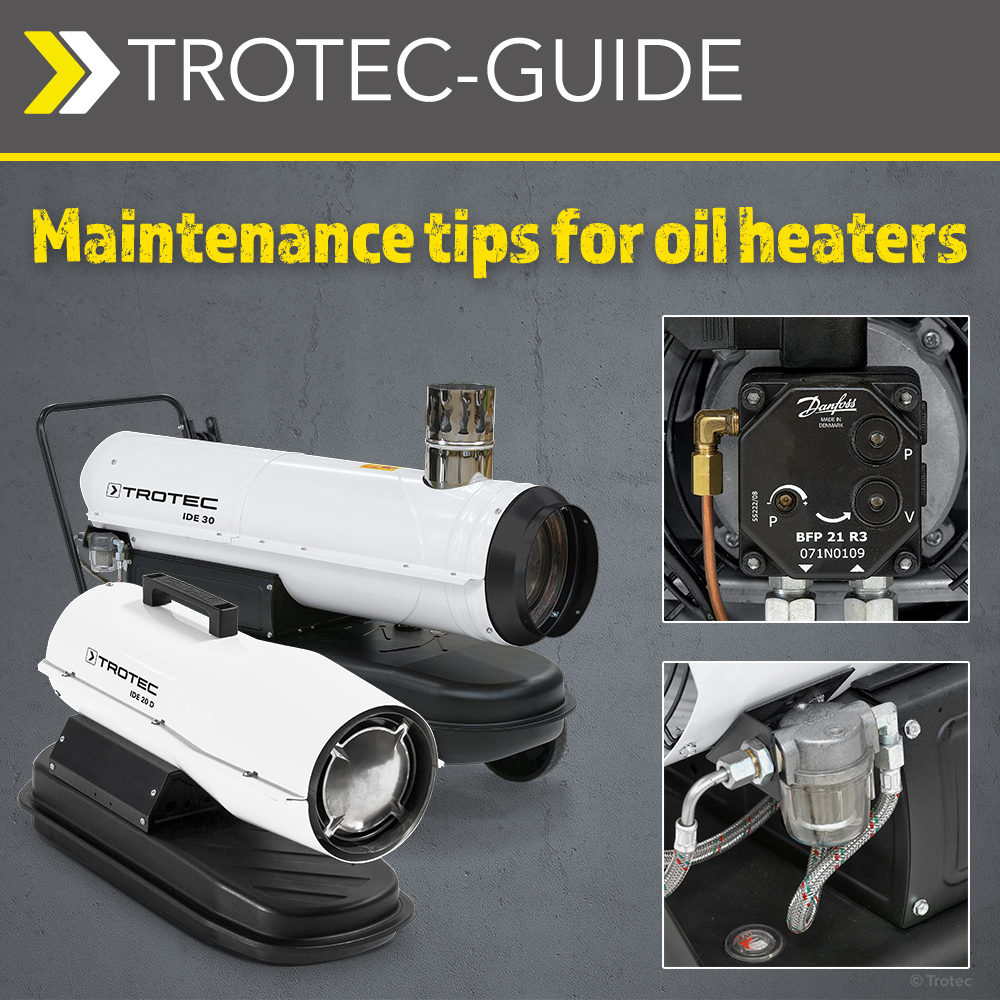 Increasingly colder temperatures also affect hard-boiled workers in building shells, warehouses or cattle sheds. Now is the time to start the mobile oil heaters up again. But if it was simply put away after its last use, you should clean the oil heater and ensure it works properly before turning it on again – before it starts to ‘spit’, in other words the flame burns irregularly, or worse. The Trotec guide tells you what you should pay attention to in general – not only in terms of the oil heater fans in our IDE series …
Trotec’s ‘Mobile winter heating’ adviser – What you should keep in mind with ‘direct oil heaters’
Posted on by Jochem Weingartz
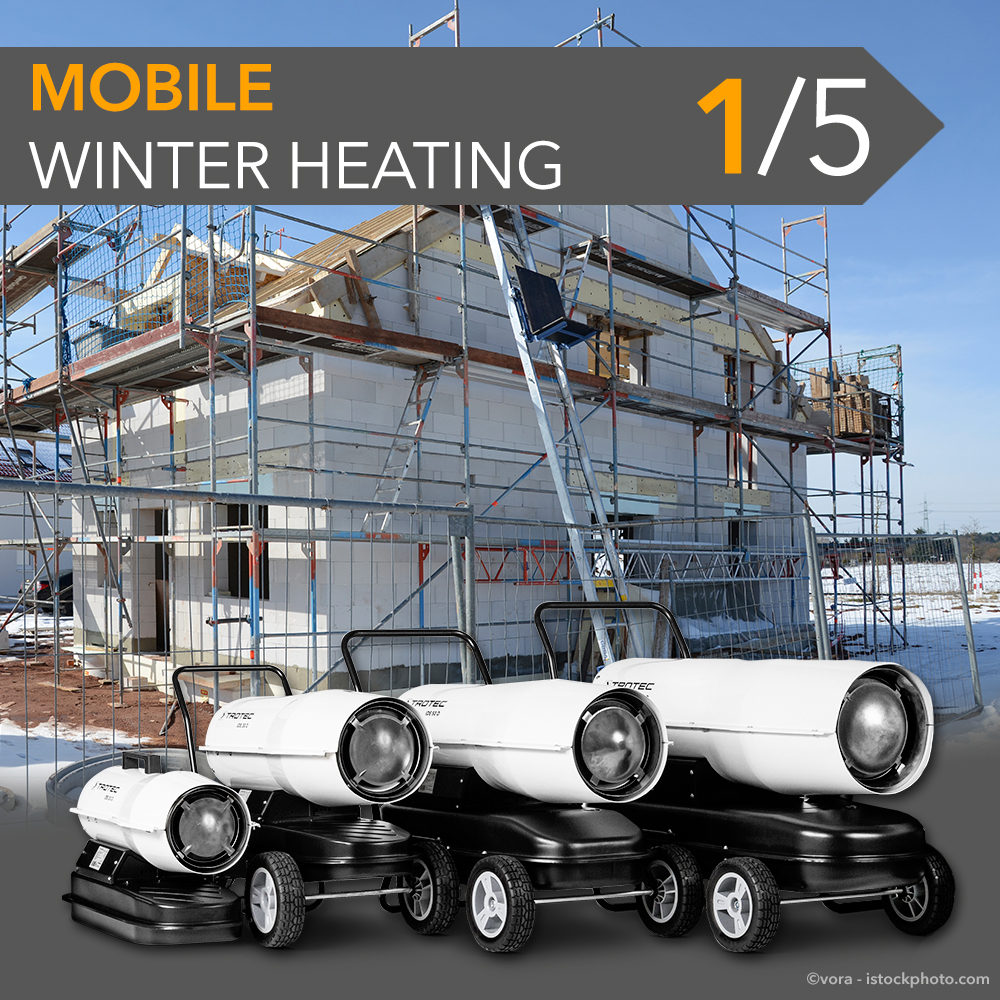 Winter is approaching quickly. So it’s high time for our adviser series on the subject of ‘mobile heating’. Discover which type of heater is best suited for which purpose. Under which circumstances you can also set up a heater outside your home. And how to calculate the heat output actually required based on the size of the room. Let’s start with the advantages that an ‘direct oil heater’ offers – in the coming instalments we will compare them with those of indirect oil heaters and electric heaters.
IDS 30 F indirect oil fired heater – for emergency and rescue service tents!
Posted on by Jochem Weingartz
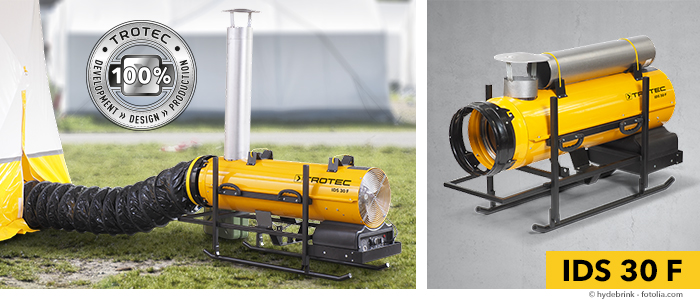
The IDS 30 F indirect oil fired heater was specially developed for mobile use as a tent heater. Thanks to its robust construction, many practice-oriented functions, flexible use, transport and storage, this heater is the optimal solution for emergency and rescue services and local support organisations. In addition, the sturdy and brilliantly simple construction of the unit guarantees high reliability with minimum maintenance.
NEW IDS F indirect oil-fired heater for tents – now available for delivery!
Posted on by Jochem Weingartz
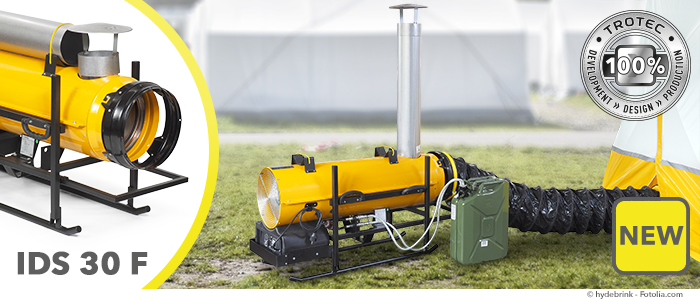
These robust heaters, eagerly awaited by one or two of our customers, are now ready for delivery. This is because the IDS 30 F tent heater has been further developed from the IDS series especially for mobile application and will start serving its purpose in the coming days in Germany and across Europe – as the ideal mobile solution for emergency and rescue services and local support organisations.
Continuous heating. Satisfied customers!
Posted on by Jochem Weingartz
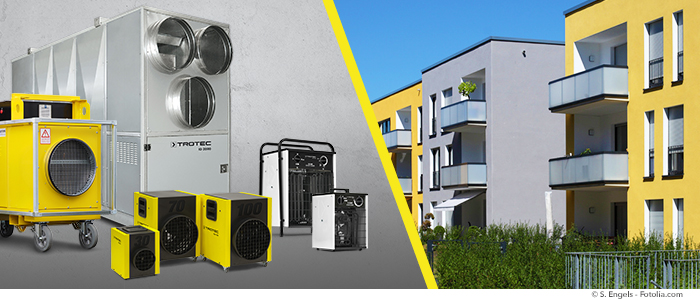
Tasks relating to heating systems are manifold: Radiators must be renewed, pipes rinsed or renovated. Or a complete, old heating system is even replaced by an eco-friendly system. In order to keep your customers out of the cold during this kind of work, you must make sure of one thing first: a replacement heater. You can find these in the selection of mobile heaters from Trotec. From electric heaters for single rooms to large oil central heating systems for air conditioning production and storage facilities, the best solutions are available to you. Your customers will be more than satisfied:
NEW IDS 30 F indirect oil fired heater – specifically for tents!
Posted on by Jochem Weingartz
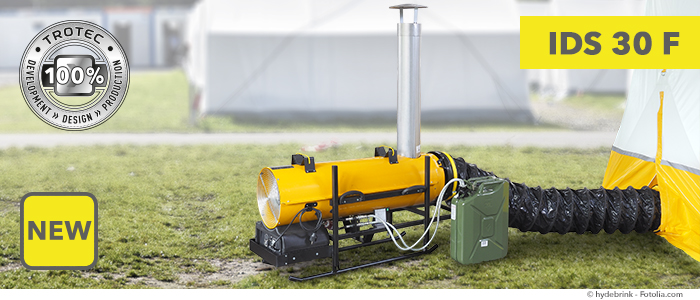
The equally robust and easily constructed oil fired heater of the IDS series has everything that is necessary for economic and immediate heating. Thanks to their solid and ingeniously simple construction, all units guarantee high reliability and minimal maintenance at the same time. The new indirect oil fired heater is also equipped with the proven functions of the series, at the same time however, the unit was further developed specifically for mobile use as a tent heater.
Advisor “Winter Heating” 2/5 – Indirect Oil Heaters
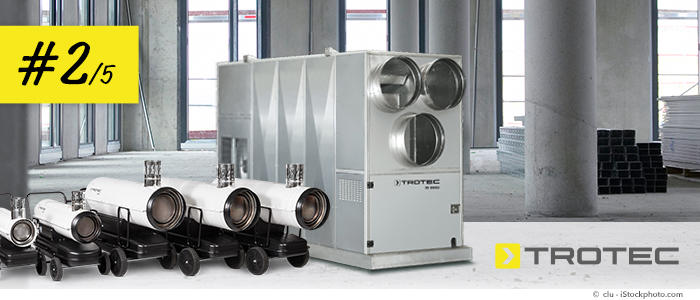
In the second part of our advisor series, we are focusing on mobile indirect oil heaters. We will find out how they are different to direct oil heaters and which intended purposes indirect models are best suited for in construction and agriculture. As market leader, we also offer you a comprehensive range of indirect heaters as heating solutions – with virtually any desired heating power and also for rental.
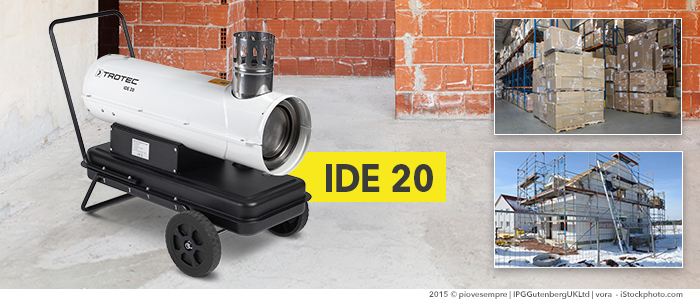
NEW IDE 20 oil heater fan – hot air at a hot price!