
Tag: feel-good climate
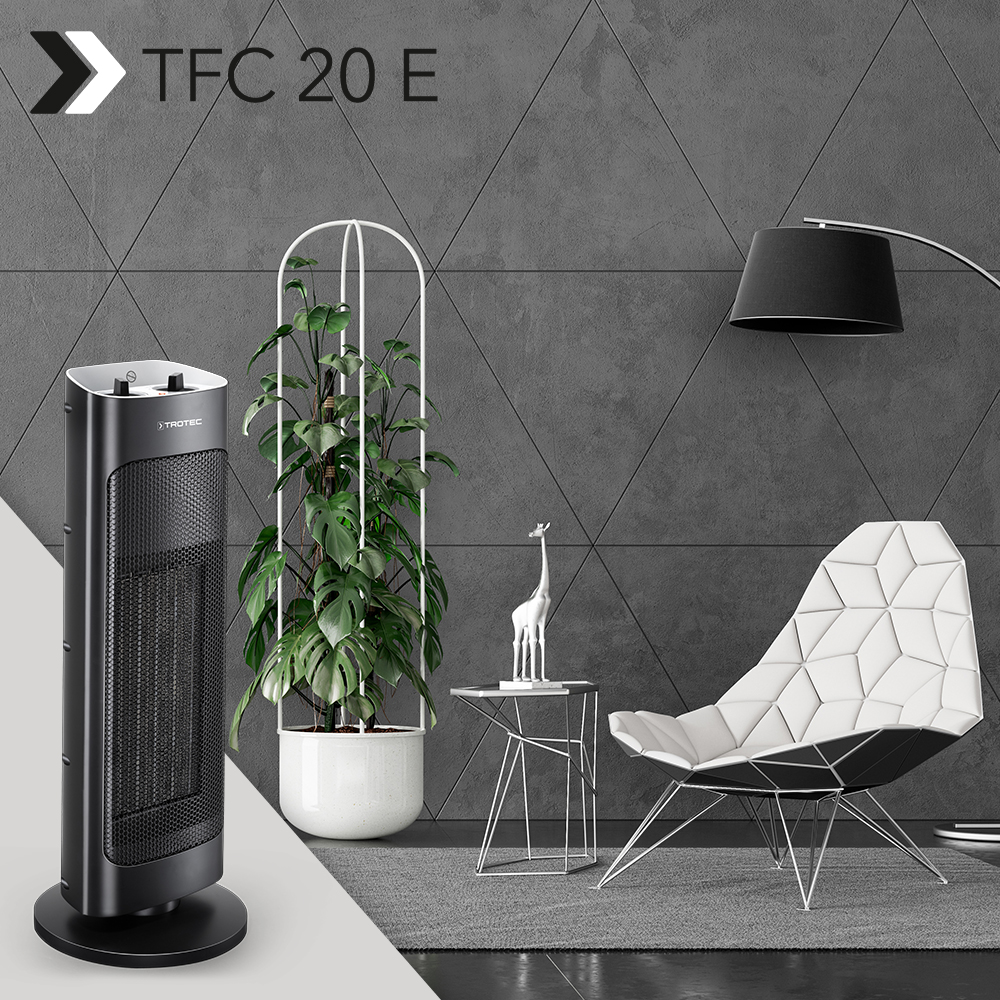 In view of the impending cold weather setting in homes and offices due to gas heaters possibly running dry, electric fan heaters are considered the new gold standard. Here comes a heater that undoubtedly deserves this title of honour, because it combines practically all the advantages that distinguish such a device: the ceramic fan heater TFC 20 E brings heat quickly thanks to its PTC ceramic heating elements, heats powerfully with its two switchable heating levels of 1,000 and 2,000 watts, takes up little space thanks to its compact tower design and saves energy costs because the integrated room thermostat takes care of temperature regulation. And best of all: it is available and ready for delivery!
Ceramic Fan Heater TFC 17 E: energy-efficient heating turbo as an alternative or addition to the main heating system – available again
Posted on by Jochem Weingartz
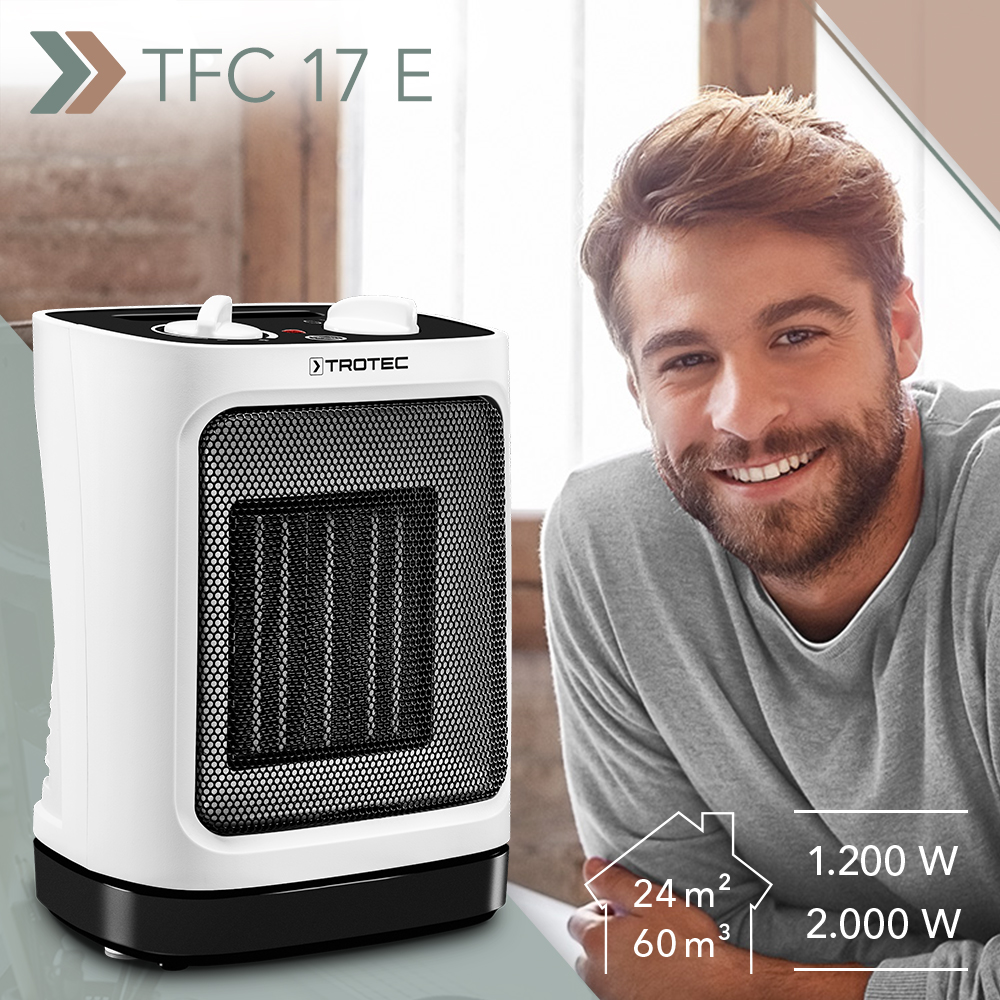 Speculations about our general heat supply in the coming autumn and winter are currently like looking into a crystal ball. The gas tube may be 40%, 20% or 0% full. Who knows? That’s why it’s worth looking ahead now and purchasing an energy-efficient, thermostat-controlled and, above all, safe heat source such as the ceramic fan heater TFC 17, which is finally available again. This cost-effective guarantee for pleasant warmth heats you up turbo-fast as soon as you plug in the mains cable. And no one pulls the plug out of the socket just like that …
Ceramic Fan Heater TFC 16 E: provides cooling in summer and cosy warmth in winter – available again
Posted on by Jochem Weingartz
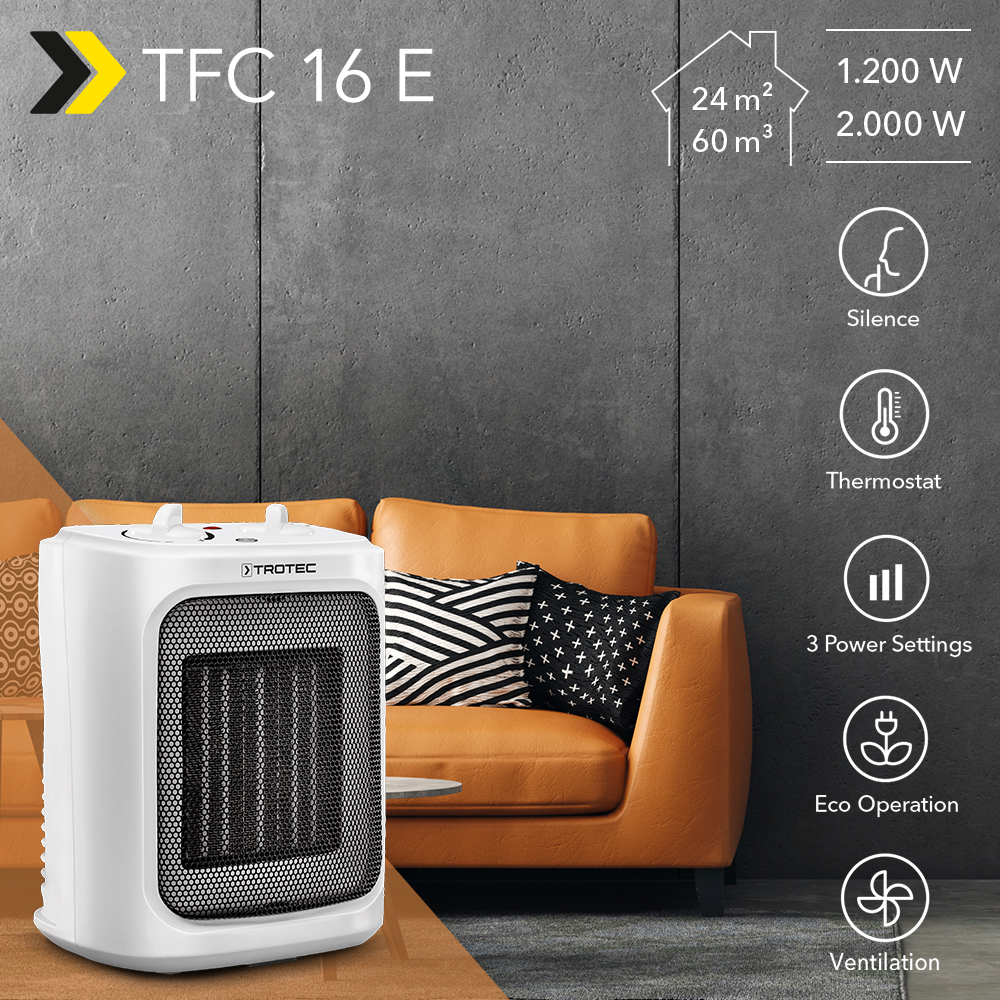 Looking to cool down from the current heat? Or looking for an alternative source of heat for autumn and winter? Then you’ve come to the right place, because the ceramic fan heater, which is finally available again, provides both: in summer, it provides a pleasant cooling effect thanks to its ventilation mode without heating operation. And in autumn and winter, it guarantees lightning-fast feel-good warmth with up to 2,000 watts. The reliable additional heater for unexpectedly cold days or as an energy-efficient, thermostat-controlled stand-alone heating solution in the event of a total gas failure.
Trotec adviser: Mould in the home – and what you should do about it
Posted on by Jochem Weingartz
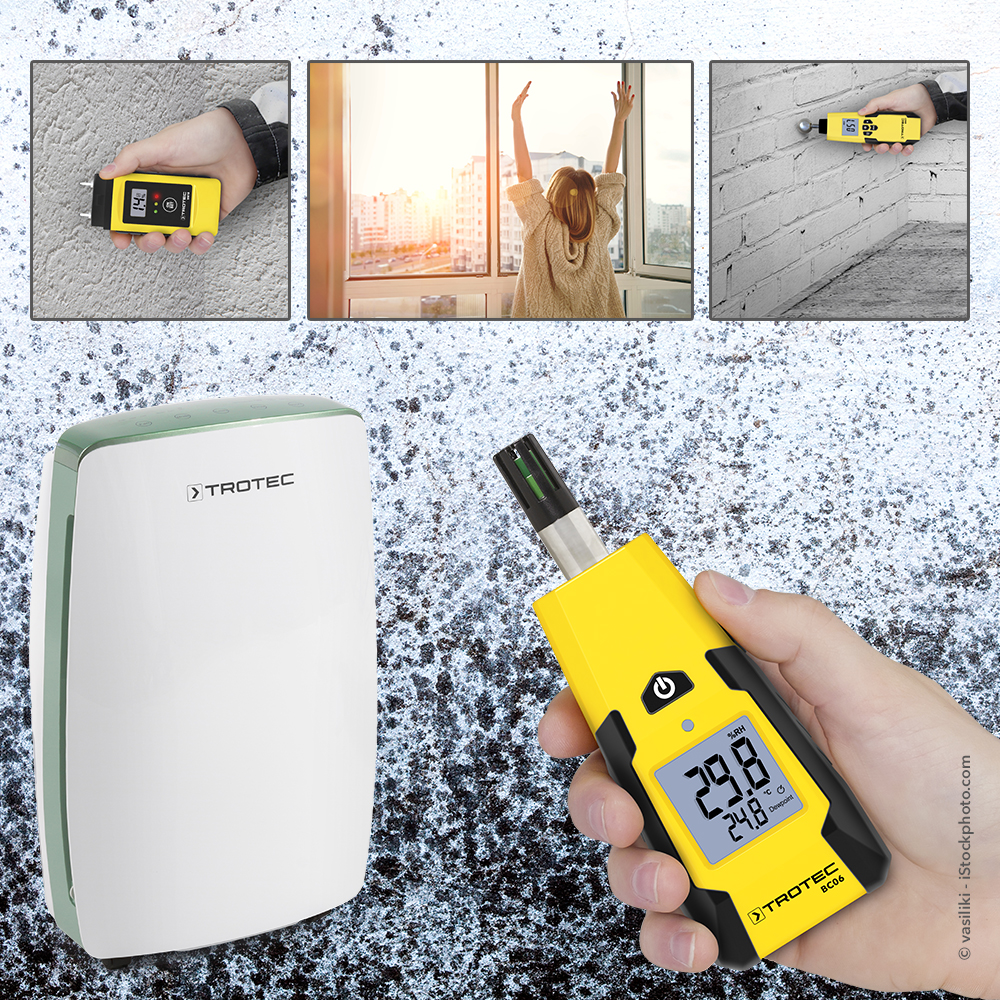 As the days are getting warmer, the heating thermostat control beckons. However, if the temperature in bedrooms at night or in hardly-used rooms sinks too low, the “mould alarm” is sure to sound! This is because damp air will start to condense in the cold parts of the home: the basis for the formation of mould that is dangerous to health. But where do mould and damp air actually come from?